


Pharmacological treatment
At Instituto Médico del Prado, we consider oral medication a fundamental part of any successful hair treatment, always knowing the patient’s type of alopecia. Whether you opt for PRP hair treatment, mesotherapy, or a hair transplant, we always recommend accompanying these procedures with medications like Finasteride, Dutasteride, and Minoxidil to slow androgenetic alopecia and maintain existing hair.
Although transplanted hair is generally more resistant to hair loss, there is no absolute guarantee that it will last forever. In some cases, it may weaken or shed over time, while hair loss can continue to progress in untreated areas.The diagnostic consultation we conduct at our clinic is essential for determining the best pharmacological treatment for each case. We also typically request a comprehensive blood test that includes hormonal values to ensure proper and effective treatment.
These three medications have different mechanisms of action, but share a common goal: to help slow hair loss and improve hair density. Finasteride and Dutasteride are powerful antiandrogens that block the action of dihydrotestosterone (DHT), one of the main causes of androgenetic alopecia. Minoxidil, on the other hand, is a vasodilator that promotes blood circulation and stimulates hair growth.
Learn more about how these treatments can help you improve your hair health and stabilize androgenetic alopecia by reading our detailed complete guide.
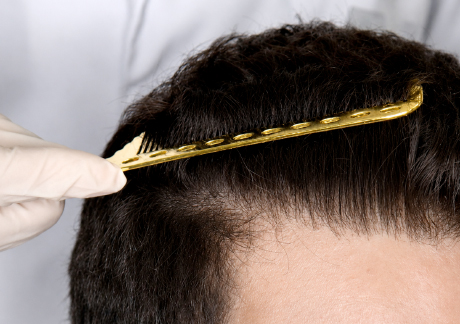
DUTASTERIDE

FINASTERIDE
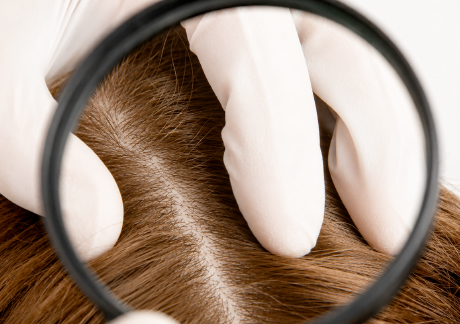
MINOXIDIL
Frequently Asked Questions – Pharmacological Hair Loss Treatment
Why is medical supervision required for Oral Minoxidil, Finasteride or Dutasteride?
Because these prescription medications—often tailored via compounded formulas—must be adjusted to each patient’s clinical profile, age, sex and blood work to ensure maximum efficacy and safety.
What is the 'shedding effect' when starting pharmacological hair treatment?
It is a temporary follicular renewal phase during the first 3 to 8 weeks of therapy in which weak resting hairs shed to make way for a new cycle of thicker, stronger hair shafts.
Do I still need medical treatment if I undergo a hair transplant?
While transplanted hair comes from genetically more resistant donor areas, ongoing medical maintenance is essential to prevent your non-transplanted native hair from continuing to thin over time.
WE EVALUATE YOUR CASE
Request a medical assessment
Complete the details below and our medical team will analyze your case individually.